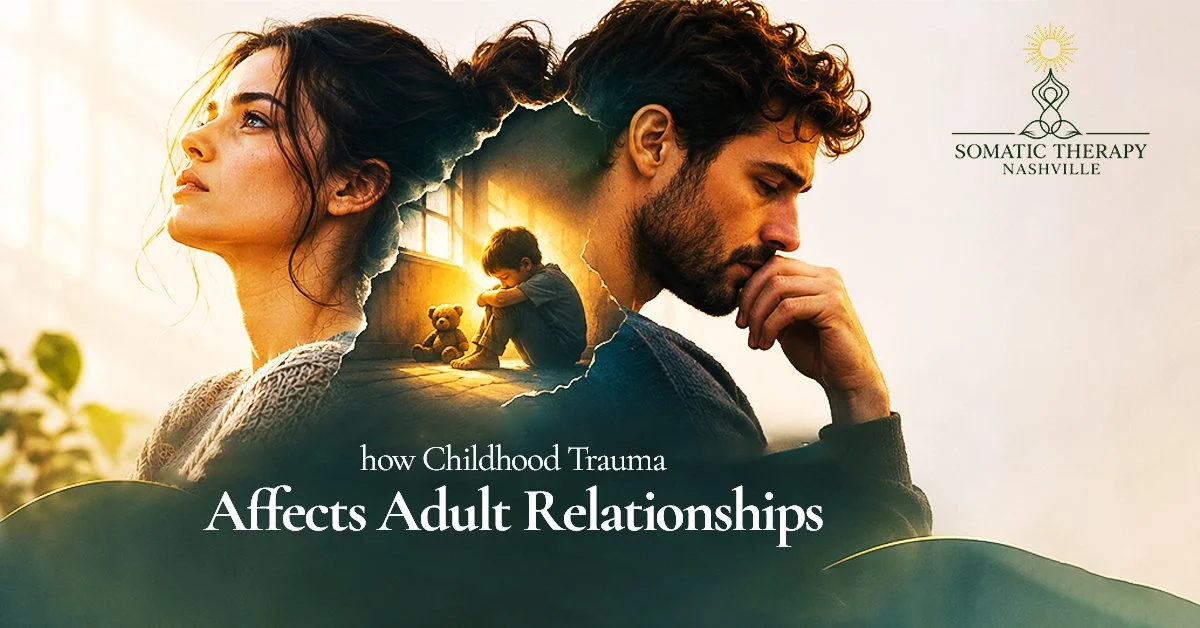
Childhood trauma refers to painful or stressful experiences during early life that affect a person's sense of safety, trust, and emotional well-being. These experiences include abuse, neglect, loss, family conflict, or inconsistent care. Their effects sometimes continue into adulthood and shape how people connect with others.
The effects of childhood trauma on adult relationships include difficulty trusting partners, fear of rejection, emotional withdrawal, poor boundaries, and trouble expressing feelings. However, these patterns do not define a person's future. Recognizing emotional triggers, building healthy communication habits, and seeking professional support help adults understand their relationship patterns and develop stronger emotional connections.
What Is Childhood Trauma?
Childhood trauma describes the emotional and mental impact of frightening, harmful, or stressful experiences during childhood. Abuse, neglect, losing a loved one, exposure to violence, and unstable caregiving are possible causes. Each child responds differently, and the impact depends on personal experiences, support, and the sense of safety available during those years.
How Does Childhood Trauma Affect Adult Relationships?
Early experiences shape how children learn about love, trust, and emotional safety. Inconsistent care can create fear of rejection, while emotional neglect can make expressing feelings difficult. These experiences also influence attachment patterns, self-worth, boundaries, and responses to disagreements. However, childhood experiences do not determine every adult relationship. Self-awareness and supportive care help people develop healthier ways to connect.
Areas of Adult Relationships Commonly Affected
Childhood experiences influence several parts of adult connections, including:
● Trust and safety: Feeling unsure about another person's intentions.
● Attachment: Fearing abandonment or avoiding emotional closeness.
● Communication: Finding it hard to express needs and feelings.
● Intimacy: Feeling uncomfortable with emotional or physical closeness.
● Conflict: Becoming defensive or withdrawing during disagreements.
● Boundaries: Struggling to say no or protect personal needs.
● Self-worth: Feeling undeserving of love and respect.
● Relationship choices: Repeating painful patterns with different partners.
What Are the Signs of Childhood Trauma in Adult Relationships?
Recognizing repeated emotional and relationship patterns helps adults understand their reactions without blaming themselves. However, these signs do not automatically prove childhood trauma. A qualified professional helps explore their possible causes.
| Step | What Happens |
|---|---|
| Early experiences | A child faces unsafe, stressful, or rejecting situations. |
| Beliefs develop | Ideas about love, trust, and self-worth begin to form. |
| Emotional responses | Fear, anger, or withdrawal becomes a response to stress. |
| Adult patterns | Similar reactions appear in close relationships. |
| Triggers occur | Conflict, distance, or rejection brings up strong emotions. |
| Awareness begins | The person starts recognizing repeated patterns. |
| Healing develops | Therapy and healthy boundaries support new responses. |
| Healthier connections | Emotional security and communication skills grow. |
Common signs of childhood trauma in adult relationships include seeking constant reassurance, avoiding difficult talks, struggling with trust, and feeling threatened by small disagreements. Some people also push partners away when relationships become emotionally close.
How Are Childhood Trauma, Attachment, and the Nervous System Connected?
Early relationships with caregivers teach children whether other people feel safe and dependable. These lessons influence childhood trauma and attachment styles, including anxious, avoidant, and disorganized patterns.
For example, some adults fear rejection and seek constant reassurance. Others avoid vulnerability and prefer handling emotional struggles alone. During conflict, the body also responds to stress. A racing heart, tense muscles, shallow breathing, or emotional shutdown are possible reactions.
These responses do not always point to childhood trauma. However, noticing physical sensations helps people understand their emotional needs.
Mind Body Therapy explores the connection between physical sensations, emotions, thoughts, and behavior. Somatic approaches help individuals notice these patterns and build greater emotional awareness. Trauma-informed care also respects personal boundaries and allows people to explore difficult experiences at a manageable pace.
Read More : EMDR vs. Somatic Experiencing: Which Therapy Is Best for Trauma?
What Are the Benefits and Limitations of Childhood Trauma Recovery?
Potential Benefits
Understanding childhood trauma and relationships offers several benefits:
● Better self-awareness: Recognizing emotional triggers and repeated relationship patterns becomes easier.
● Healthier communication: People learn to express their needs with greater clarity and confidence.
● Stronger boundaries: Individuals become more aware of their limits and personal values.
● Improved intimacy: Understanding emotional fears supports trust and vulnerability.
● Greater self-compassion: People learn to respond to their struggles without harsh self-judgment.
Limitations and Challenges
Recovery also involves challenges:
● Understanding the past does not resolve every relationship problem.
● Changing deep emotional habits takes time and practice.
● Discussing painful memories sometimes brings up sadness, anger, or anxiety.
● Progress differs according to personal needs and available support.
● Therapy does not guarantee specific relationship outcomes or require detailed discussion of every childhood memory.
How to Begin Healing Childhood Trauma and Building Healthier Relationships
Before Your Therapy Appointment
A little preparation helps make your first session more useful.
● Think about repeated relationship problems without judging yourself.
● Identify situations that trigger fear, anger, anxiety, or withdrawal.
● Consider how you respond to rejection, arguments, and emotional closeness.
● Write down the boundaries and communication skills you want to develop.
● Share your history at a pace that feels comfortable.
● Discuss your goals and concerns with your therapist.
Aftercare and Self-Reflection Tips
Healing also involves small steps outside therapy.
● Notice physical and emotional reactions without criticizing yourself.
● Practice gentle breathing or grounding exercises.
● Express your needs honestly and respectfully.
● Maintain boundaries that protect your emotional well-being.
● Give yourself time to process difficult conversations.
● Follow the coping strategies discussed during therapy.
Does Healing Childhood Trauma Feel Emotionally Difficult?
Exploring painful childhood experiences sometimes brings sadness, anger, anxiety, or vulnerability. Each person's experience differs. Trauma-informed therapy provides space to explore these emotions at a manageable pace while respecting personal boundaries, emotional safety, and individual readiness.
Childhood Trauma Therapy vs. Relationship Skill-Building: Which Is Right for You?
Both approaches support healthier connections, but they address different needs. Self-reflection focuses on daily habits, while professional therapy explores deeper emotional patterns.
| Feature | Relationship Skill-Building | Trauma-Informed Therapy |
|---|---|---|
| Main goal | Improve communication and boundaries | Explore distress and past experiences |
| Approach | Reflection and practice | Individualized therapeutic care |
| Best for | Everyday relationship challenges | Persistent emotional distress |
| Focus | Conflict and expressing needs | Triggers, emotions, and body responses |
| Long-term aim | Healthier relationship habits | Greater awareness and emotional security |
The right approach depends on personal needs and goals. Both approaches also work well together.
Is Trauma-Informed Therapy Right for You?
You May Benefit From Professional Support If:
● Similar painful relationship patterns keep repeating.
● Trust, intimacy, or fear of abandonment affects your connections.
● Disagreements trigger intense emotional reactions.
● You struggle to express needs or maintain boundaries.
● You want to understand how childhood experiences shape adult behavior.
Consider Additional Professional Support If:
● Relationship distress affects daily activities.
● Emotional reactions feel difficult to manage.
● Shame, insecurity, or disconnection persists.
● Past experiences affect your sense of safety.
● You want guidance from a trained professional.
A Childhood Trauma Therapist helps explore these concerns and develop coping skills suited to individual needs.
Common Myths and Facts About Childhood Trauma and Adult Relationships
| Myth | Fact |
|---|---|
| Everyone with childhood trauma develops unhealthy relationships. | People respond differently, and healthy connections remain possible. |
| Childhood trauma always causes abandonment fears. | Its effects vary across individuals. |
| Exploring trauma means blaming parents. | The goal is understanding experiences, not assigning blame. |
| Childhood patterns never change. | Awareness and therapeutic support encourage healthier responses. |
| Healing requires discussing every painful memory. | Therapy also addresses present-day emotions and relationship patterns. |
Ready to Build Healthier Adult Relationships?
Understanding your past is a meaningful step toward stronger connections. Somatic Therapy Nashville offers trauma-informed care focused on the connection between the body, emotions, and nervous system. Explore somatic therapy, Hakomi, Somatic Experiencing, or EMDR when clinically appropriate. Contact Somatic Therapy Nashville to discuss your concerns, therapeutic goals, and suitable options for your healing journey.
Read More : Most Popular Somatic Therapy Techniques for PTSD Recovery
Frequently Asked Questions
-
Childhood trauma influences trust, communication, emotional intimacy, and attachment. Adults sometimes struggle with rejection, vulnerability, or conflict. Recognizing these patterns helps individuals understand their emotional needs and build healthier relationships through self-awareness and professional support.
-
Common signs include fear of abandonment, difficulty trusting partners, emotional withdrawal, people-pleasing, and poor boundaries. Some adults also react strongly to disagreements or struggle to accept love and affection from others.
-
Childhood experiences involving neglect, separation, or inconsistent caregiving contribute to abandonment fears. Adults with these experiences sometimes seek constant reassurance or feel anxious when partners become distant. Individual experiences and attachment patterns differ.
-
Unpredictable caregiving or painful experiences sometimes make emotional closeness feel unsafe. Adults struggle to share feelings, depend on partners, or accept affection. Supportive relationships and therapy help build trust and emotional confidence.
-
Start by identifying repeated reactions and emotional triggers. Practice clear communication, establish healthy boundaries, and develop self-compassion. Working with a trauma-informed therapist also helps explore past experiences and build healthier responses.
-
Somatic therapy explores how emotions and stressful experiences appear in the body. Through body awareness and therapeutic guidance, individuals develop a better understanding of physical reactions, emotional triggers, and patterns affecting close relationships.
-
Trauma-informed therapy provides a supportive space to explore emotional patterns, attachment concerns, and difficult experiences. It also supports self-awareness, emotional regulation, communication, and healthier boundaries while respecting each person's needs and pace.